
The Cortisol Exercise Plan: Why HIIT Makes Cortisol Belly Worse
More exercise is not always the answer. For perimenopausal women with elevated cortisol, high-intensity training can actively worsen belly fat. Here is the exercise protocol that lowers cortisol instead of spiking it.
If you have been working out consistently and your belly fat is not shifting — or is actually getting worse — this post is for you. The conventional advice for weight loss is to exercise more and eat less. For most women under 40, this works. For perimenopausal women with elevated cortisol, it can actively backfire. The reason is not a lack of willpower or effort. It is biology: certain types of exercise raise cortisol significantly, and when cortisol is already chronically elevated, adding more of those exercises does not burn belly fat — it signals the body to store more of it.
Understanding why requires a brief look at how exercise and cortisol interact. Every bout of physical activity is a stressor on the body. The HPA axis responds to that stress by releasing cortisol to mobilise energy, suppress inflammation during the workout, and initiate recovery afterwards. This is a healthy, necessary response. The problem arises when the exercise-induced cortisol spike is too large, too frequent, or too prolonged — and when it is layered on top of an HPA axis that is already dysregulated by perimenopause, poor sleep, and chronic life stress. In that context, the cumulative cortisol load from aggressive exercise training can tip the body into a state of chronic cortisol elevation that directly promotes visceral fat storage.
Why HIIT specifically worsens cortisol belly
High-intensity interval training (HIIT) produces the largest cortisol spike of any common exercise modality. A single 30-minute HIIT session can raise cortisol by 50–75% above baseline, and in women with already-elevated cortisol, this spike can take 24–48 hours to fully resolve. If you are doing HIIT three to five times per week — which is commonly recommended for fat loss — your cortisol never fully returns to baseline between sessions. The cumulative effect is a sustained cortisol elevation that promotes visceral fat accumulation, particularly in the abdomen, regardless of how many calories you are burning during the sessions themselves.
Long-duration steady-state cardio (running, cycling, or using the elliptical for 45–90 minutes) produces a similar pattern. While the cortisol spike per session is lower than HIIT, the duration of cortisol elevation is longer, and the cumulative weekly cortisol load can be comparable. This is why many women find that training for a half-marathon or doing daily hour-long cardio sessions does not reduce their belly fat — and sometimes increases it.
Fasted exercise compounds the problem significantly. Working out before eating forces the adrenal glands to produce additional cortisol to mobilise stored glucose for fuel. For women who are already experiencing the blood sugar dysregulation that drives cortisol belly, fasted workouts are one of the fastest ways to worsen the pattern. The combination of fasted HIIT — which many fitness programmes recommend for fat loss — is particularly counterproductive for perimenopausal women with elevated cortisol.
The exercise types that lower cortisol
The research on exercise and cortisol is consistent: moderate-intensity exercise lowers cortisol over time, while high-intensity exercise raises it. The key word is "over time" — the cortisol-lowering effect of moderate exercise is cumulative and builds over weeks of consistent practice, rather than occurring immediately after each session. This is the opposite of the immediate calorie-burn logic that drives most exercise recommendations, and it is why the cortisol exercise plan requires a different way of thinking about what "effective" exercise means.
Walking is the single most evidence-backed exercise for cortisol reduction. A 2015 study in the journal Frontiers in Psychology found that a 90-minute walk in a natural setting significantly reduced both cortisol levels and rumination (the repetitive negative thinking that drives HPA axis activation). The mechanism is twofold: walking activates the parasympathetic nervous system (the "rest and digest" state that is the physiological opposite of the cortisol-driven fight-or-flight response), and exposure to natural environments reduces activity in the prefrontal cortex region associated with stress rumination. Thirty to sixty minutes of brisk walking daily — ideally outdoors — is the most accessible and effective cortisol-lowering exercise available.
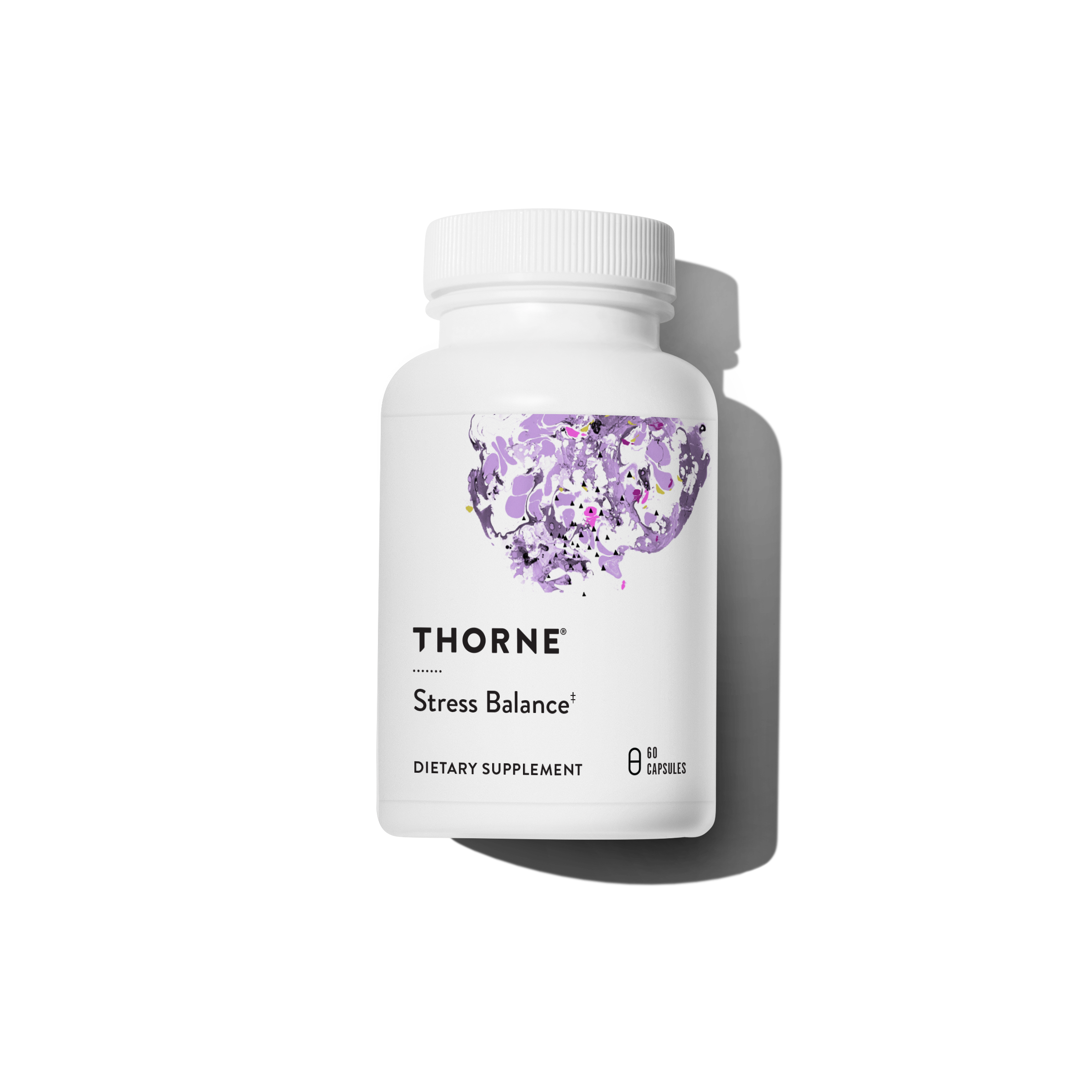
Thorne Stress Balance
KSM-66 ashwagandha + adaptogens — the supplement stack that supports recovery and lowers cortisol between workouts
4.7/5 · 5,800+ reviews
- ✓KSM-66 ashwagandha — clinically proven to reduce exercise-induced cortisol elevation
- ✓Rhodiola for HPA axis resilience and faster recovery between sessions
- ✓B5, B6, Vitamin C & Zinc — adrenal micronutrients depleted by both stress and exercise
#ad — I earn a small commission at no extra cost to you. I only recommend products I personally use.
Also Recommended
The 28-Day Cortisol Reset
A complete day-by-day protocol combining the right exercise, diet, adaptogens, and sleep to lower cortisol belly naturally
See the 28-Day Cortisol Reset →Start here — just $17
The 7-Day Cortisol Belly Reset — Quick-Start Protocol
Everything in this post — the food framework, morning & evening routines, and 5 key supplements — organised into a focused 7-day plan. Instant PDF download.
Get Instant Access →
Strength training, when performed at moderate intensity with adequate rest between sets, is the best exercise for body composition in perimenopausal women with elevated cortisol. Unlike HIIT, moderate-intensity strength training (60–70% of one-rep maximum, 2–3 sets per exercise, 90–120 seconds rest between sets) produces a manageable cortisol spike that resolves within a few hours, while simultaneously building the muscle mass that improves insulin sensitivity and metabolic rate. The key is avoiding the high-intensity, short-rest-period style of strength training that mimics HIIT — circuit training and metabolic conditioning workouts produce similar cortisol spikes to HIIT and should be avoided during a cortisol reset.
Yoga, particularly restorative and yin styles, directly activates the parasympathetic nervous system and has been shown in multiple randomised controlled trials to reduce both salivary cortisol and perceived stress. A 2017 meta-analysis in the Journal of Psychiatric Research found that yoga interventions significantly reduced cortisol in populations with elevated baseline levels. Even two to three 30-minute sessions per week of gentle yoga produces measurable cortisol reductions within four to six weeks. Yoga nidra (a guided body-scan relaxation practice) is particularly effective because it produces the deepest parasympathetic activation of any common movement practice.
The cortisol exercise protocol: a practical weekly structure
The cortisol exercise plan is built around three principles: prioritise parasympathetic activation, manage total weekly cortisol load, and never exercise fasted. A practical weekly structure for perimenopausal women with elevated cortisol looks like this: four to five days of 30–60 minute brisk walks (ideally outdoors), two days of moderate-intensity strength training (full body, 45–60 minutes, 60–70% intensity, adequate rest), and one to two sessions of gentle yoga or restorative movement. Total weekly exercise time is 5–7 hours — comparable to a typical fitness programme — but the cortisol load is dramatically lower because the intensity distribution is fundamentally different.
The timing of exercise also matters. Morning exercise, particularly before eating, produces the largest cortisol spike because it is layered on top of the natural cortisol awakening response. Exercising in the late morning (after breakfast) or early afternoon produces a lower cortisol response and better recovery. Evening exercise should be avoided within three hours of bedtime, as the cortisol elevation from exercise can delay sleep onset and disrupt the sleep architecture that is already compromised in perimenopausal women.
Recovery is not optional in the cortisol exercise plan — it is the mechanism. The cortisol-lowering effect of moderate exercise occurs during recovery, not during the workout itself. This means that rest days are as important as training days, and that sleep quality directly determines how much cortisol benefit you extract from your exercise sessions. If you are sleeping poorly, the cortisol-lowering effect of exercise is significantly blunted. This is why the 28-Day Cortisol Reset addresses exercise, diet, sleep, and adaptogens as an integrated protocol rather than treating them as separate interventions.
If you want to understand your current cortisol load before changing your exercise programme, the [Stress Level Assessment](/stress-level-calculator) gives you a personalised picture in about three minutes. You can also read the companion posts in this series — [The Cortisol Diet](/blog/cortisol-diet) covers what to eat to lower cortisol, and [5 Signs Your Belly Fat Is Cortisol-Driven](/blog/cortisol-belly-fat-signs) helps you confirm whether cortisol is the root cause. If you are ready for a structured day-by-day plan that integrates all three — exercise, diet, and adaptogens — the [28-Day Cortisol Reset](/28-day-cortisol-reset) was built specifically for this.
This post contains affiliate links. I only recommend products I personally use and trust. This is not medical advice — always consult your healthcare provider before starting a new exercise programme, particularly if you have a pre-existing condition or are taking prescription medication.
From the researcher's desk
I built everything in this post into a focused 7-day protocol.
The 7-Day Cortisol Belly Reset covers blood sugar stabilisation, adaptogen timing, sleep architecture repair, and nervous system regulation — in one structured PDF you can start today.
Instant PDF download · 60-day money-back guarantee
Complete the 5-Part Cortisol Series
Signs → Diet → Exercise → Sleep → Reset. Each post builds on the last.

5 Signs Your Belly Fat Is Cortisol-Driven
7 min read

The Cortisol Diet: What to Eat to Lower Cortisol Naturally
8 min read

The Cortisol Sleep Protocol: Fix the Hormone That Wakes You at 3am
8 min read

How to Reset Your Cortisol in 7 Days: A Day-by-Day Guide
9 min read
Did this help? Share it with a friend 🌿
Did this help? Share it with a friend 🌿
Research & Sources
- Incollingo Rodriguez AC, Epel ES, White ML, Standen EC, Seckl JR, Tomiyama AJ Hypothalamic-pituitary-adrenal axis dysregulation and cortisol activity in obesity: A systematic review. Psychoneuroendocrinology. 2015;62:301-18, 2015. https://pubmed.ncbi.nlm.nih.gov/26356039/
- Cadegiani FA, Kater CE Adrenal fatigue does not exist: a systematic review. BMC Endocr Disord. 2016;16(1):48, 2016. https://pubmed.ncbi.nlm.nih.gov/27557747/
- Papadopoulos AS, Cleare AJ Hypothalamic-pituitary-adrenal axis dysfunction in chronic fatigue syndrome. Nat Rev Endocrinol. 2011;7(12):695-702, 2011. https://pubmed.ncbi.nlm.nih.gov/21946893/
- Arab A, Rafie N, Amani R, Shirani F The Role of Magnesium in Sleep Health: a Systematic Review of Available Literature. Biol Trace Elem Res. 2023;201(1):121-128, 2023. https://pubmed.ncbi.nlm.nih.gov/35184264/
Keep reading